- Home
- Track record — battery storage in service
Not a claim.
Three sites that are running.
Nachster AI says that power and land are its own ground because the parent has actually built grid-scale battery storage and put it into service. The three sites below each went through interconnection, site works, the installation of high-voltage plant, and local consent — with us carrying them.
The dotted values are not yet fixed. We do not publish estimates — they are replaced once the figures and our exact role are confirmed.
What was built, and where.
Storage site 01
CONTAINERISED / ADJACENT TO HOUSING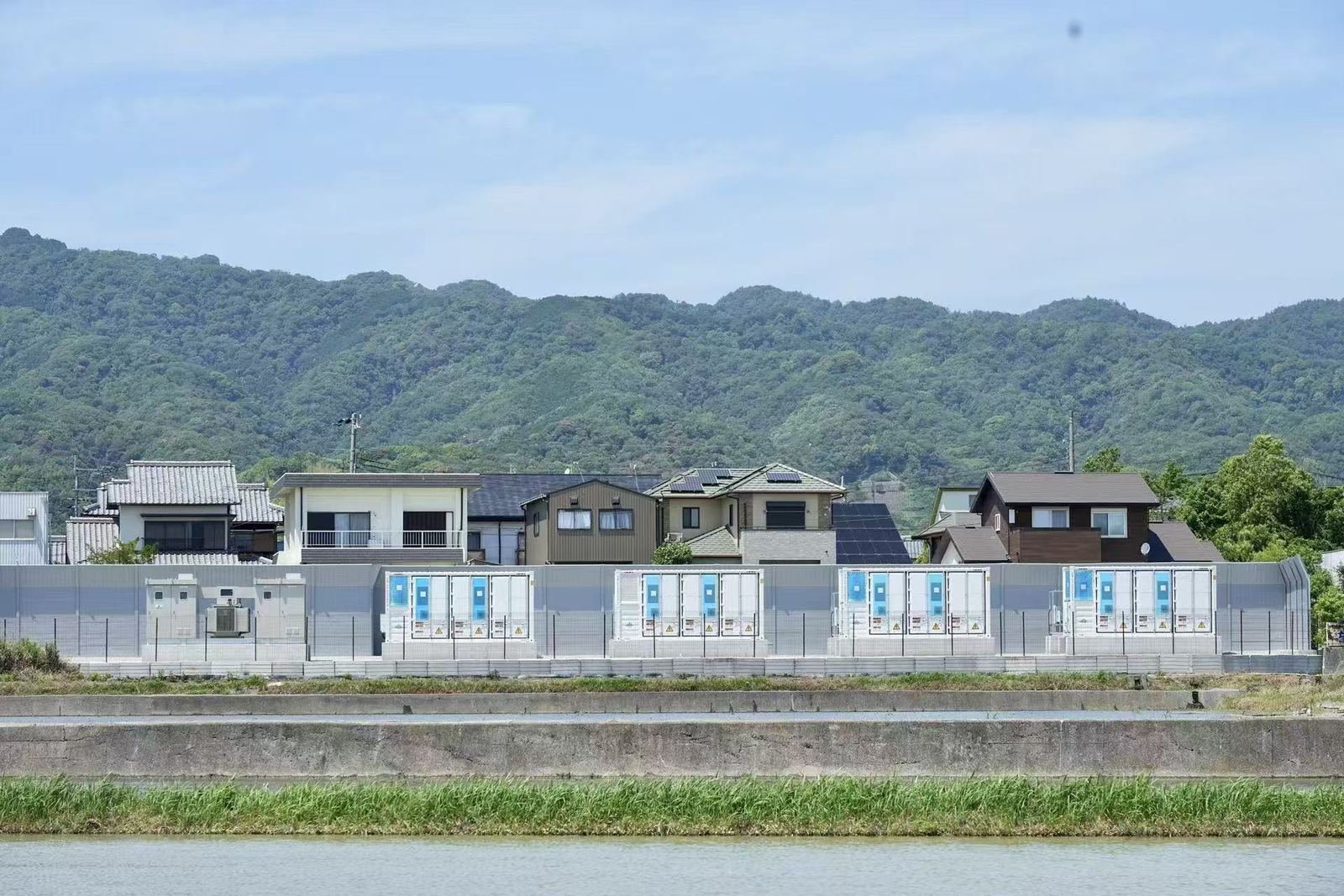
| Location | [prefecture] |
|---|---|
| Type | Grid-connected battery energy storage |
| Our role | [development / investment / EPC / O&M] |
| Output · energy | [◯◯ MW / ◯◯ MWh] |
| Main equipment | [manufacturer] |
| In service since | [month, year] |
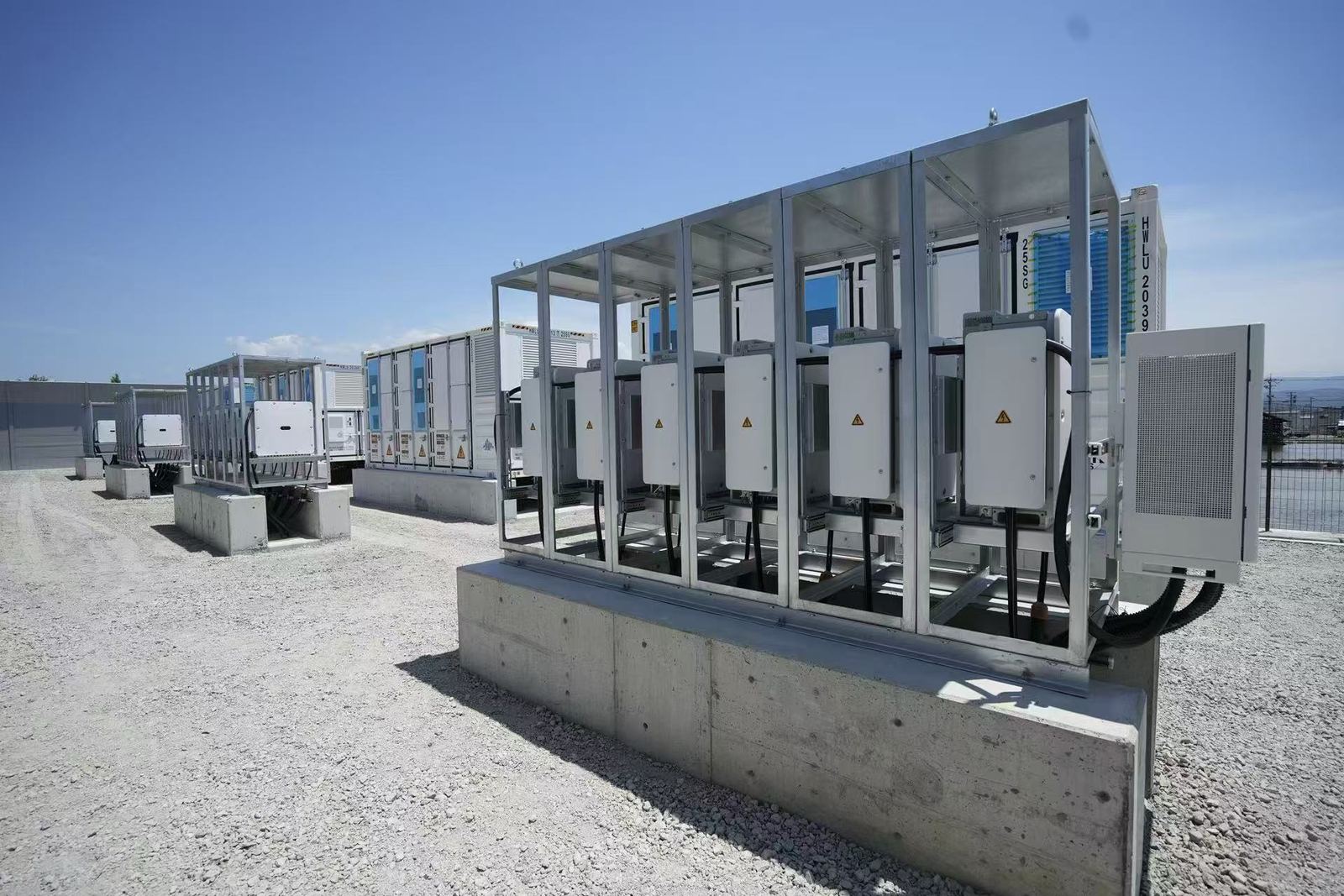
A site immediately adjacent to housing. An acoustic wall and screening were installed, and noise, visual impact and fire safety were worked through with the neighbourhood — on an AI data centre that is often the step that takes the longest. Both the containers and the PCS racks sit on cast concrete plinths.
Storage site 02
OUTDOOR CABINETS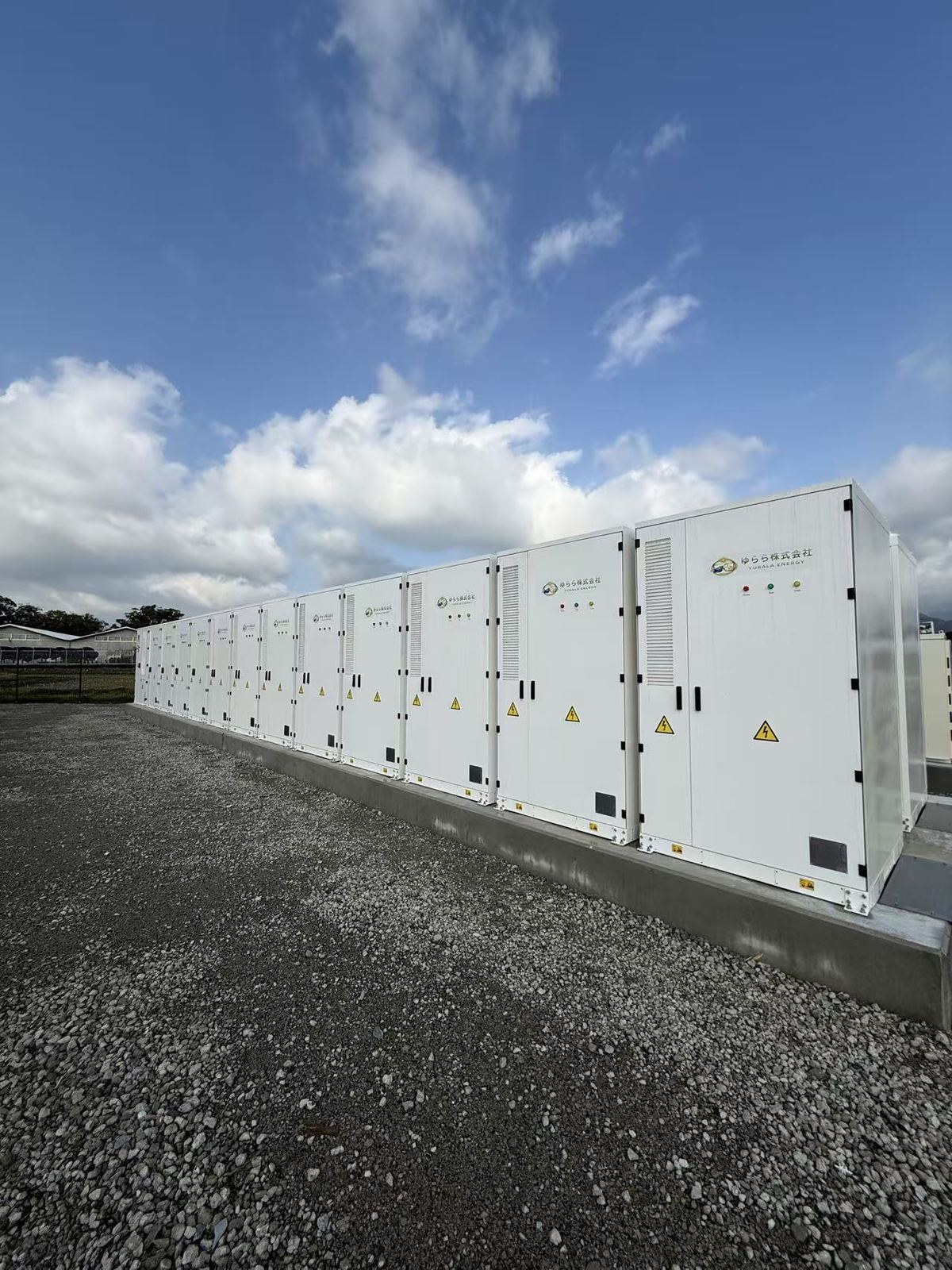
| Location | [prefecture] |
|---|---|
| Type | Grid-connected battery energy storage |
| Our role | [development / investment / EPC / O&M] |
| Output · energy | [◯◯ MW / ◯◯ MWh] |
| Main equipment | [manufacturer] |
| In service since | [month, year] |
A single run of outdoor cabinets. The substation plant, the interconnection panel and the PCS were planned as one system and carried from the discussions with the utility through testing, energisation and commissioning. The ceremony further down this page is from this site.
Storage site 03
CONTAINERISED / UNDER THE TRANSMISSION LINE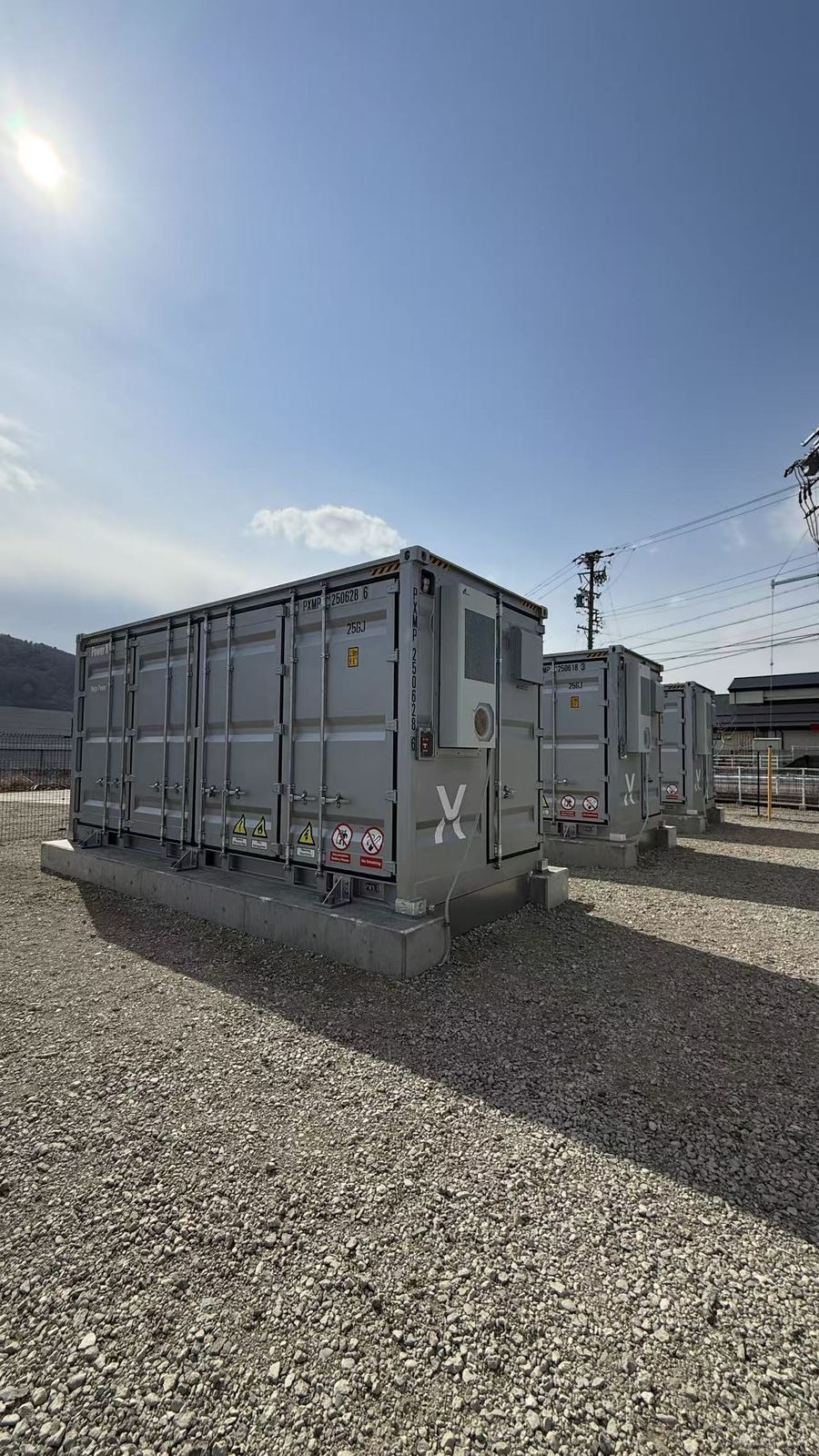
| Location | [prefecture] |
|---|---|
| Type | Grid-connected battery energy storage |
| Our role | [development / investment / EPC / O&M] |
| Output · energy | [◯◯ MW / ◯◯ MWh] |
| Main equipment | [manufacturer] |
| In service since | [month, year] |
Sited directly under an overhead transmission line, with containerised batteries set on cast plinths. Designing the access route and the foundations, and landing heavy plant on them, is the same practice as preparing a data hall floor for 10U eight-GPU chassis.
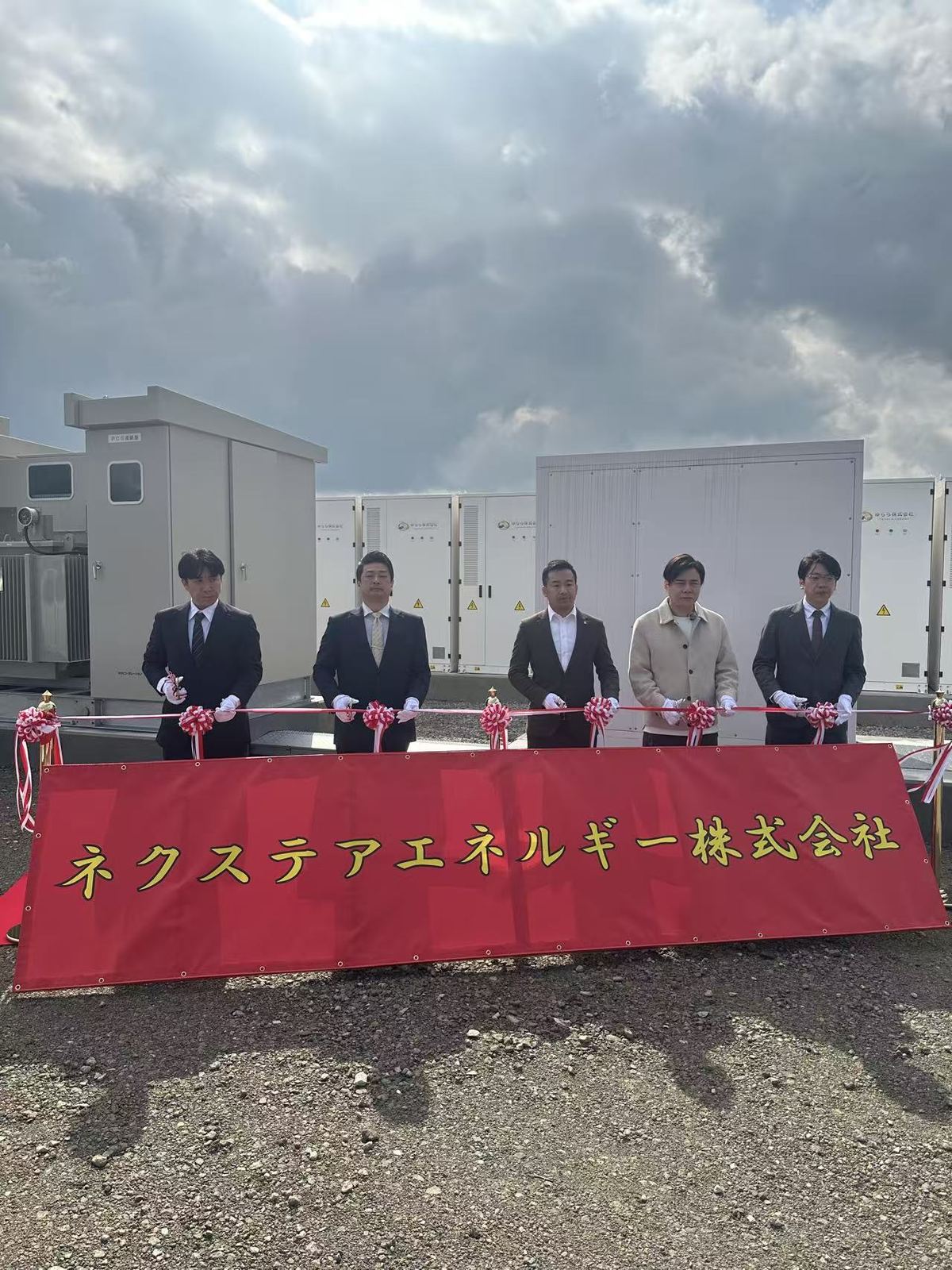
The record of a handover.
The commissioning ceremony at the outdoor-cabinet site. It marks the day the plant actually entered service, after the discussions with the utility, the installation of the substation equipment, testing and energisation. The commitment Nachster AI makes to customers — that a cluster is delivered only once it is accepted — comes from having been through this sequence ourselves.
A storage site and an AI data centre
share the same first half.
What differs is the equipment that goes inside. Bringing in the power, preparing the ground, landing heavy plant, getting the neighbourhood on side and running it remotely — that stretch is the same, and it is the stretch we have been through three times.
- Interconnection and HV supply — Interconnection discussions at high and extra-high voltage, then designing, procuring, installing, testing and energising the substation plant. This is where an AI data centre first gets stuck, and the procedure is largely the same as for a storage site.
- Site works and foundations — Bearing capacity, drainage, cast foundations, and landing heavy plant on them. As the photographs show, every unit sits on a poured plinth — continuous with the practice of preparing a data hall floor.
- Neighbours and the local authority — Noise, visual impact, fire safety under the local battery ordinances, and development consent. We have taken a site adjacent to housing through all of it.
- Multi-vendor integration — The three sites use batteries and PCS from different manufacturers. We are not tied to one vendor, and we have a working discipline for configuration control and acceptance testing.
- Long-term remote operations — Remote monitoring, scheduled inspection and first response on failure. This is the base a 24×7 NOC is built on.
The three sites above are battery storage, not AI data centres. The first Nachster AI delivery window is Q2 2027, and nothing is running yet. What these photographs establish is only that we have done the first half — power, land, construction, local consent — as real work. For the GPUs, the fabric and 24×7 IT operations we are building the capability with [our operating partner].
Land, power, data centres and capital
Tell us the area, the load you think the site can carry, and the state of the grid connection. We reply within 48 hours and, where it makes sense, move into detailed assessment under NDA.